

How to Train Your Cat to Use a Cat Flap
Most cats learn to use a cat flap surprisingly quickly. Some will walk through almost immediately, while others may be cautious about the moving flap, the noise it makes or simply the idea of pushing through something they have never used before.
The most important thing is patience. Never force your cat through a cat flap. The aim is to allow your cat to discover that the opening is safe and that using it leads somewhere they want to go.
This guide explains how to introduce a cat flap gradually, how to encourage a nervous cat and how to train a cat to use a magnetic collar-key cat flap.
How Long Does It Take a Cat to Learn to Use a Cat Flap?
There is no set amount of time. Some cats understand a cat flap almost immediately, while others may need several days of encouragement.
Kittens and confident cats often learn very quickly. Older, nervous or particularly cautious cats may need more time.
Don't worry if your cat doesn't understand immediately. Allowing them to learn at their own pace normally produces a much better result than trying to push or pull them through the flap.
Step 1 – Start with the Cat Flap Held Open
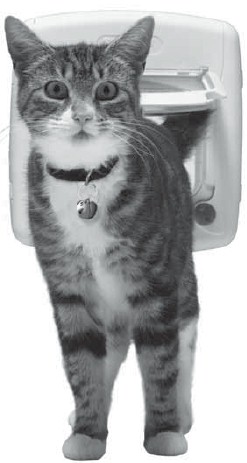 One of the easiest ways to introduce a new cat flap is to remove the moving flap from the equation completely.
Carefully hold the flap fully open using a piece of masking tape or another temporary method that will not damage the cat flap.
Make absolutely sure the flap is securely held open. You don't want it suddenly dropping onto your cat while they are learning, as this could frighten them and make training more difficult.
Your cat now has what effectively looks like an open doorway through the door.
Allow them to investigate it without interference.
Step 2 – Let Your Cat Explore
Give your cat time to look through the opening, smell it and investigate both sides.
Don't immediately pick your cat up and push them through.
Cats are naturally inquisitive and many will eventually investigate the opening themselves. Once your cat has passed through successfully a few times, the cat flap will start becoming part of their normal environment.
Step 3 – Use Food or Treats as Encouragement
If your cat needs a little encouragement, food can be extremely effective.
Try placing a favourite treat close to the cat flap. Once your cat is comfortable approaching the opening, move the treat to the other side.
You can also use normal feeding times as part of the training:
- Feed your cat close to the cat flap.
- Gradually move the food closer to the opening.
- Encourage your cat through the open flap using a favourite treat.
- Reward successful attempts with praise and another small treat.
Keep training sessions relaxed. You are trying to make the cat flap something your cat associates with a positive experience.
Step 4 – Introduce the Moving Flap
Once your cat is confidently walking through while the flap is held completely open, you can start introducing the actual movement of the flap.
Instead of holding it completely open, gradually lower it so your cat begins to feel the flap touching their back as they walk underneath it.
As their confidence increases, lower it a little further.
Eventually your cat will learn that pushing the flap with their head or nose opens it.
This gradual approach is particularly useful for nervous cats because you aren't suddenly asking them to push through a closed door.
Never Force Your Cat Through the Cat Flap
This is probably the most important piece of advice in this guide.
Do not force your cat through the flap.
A frightened cat can quickly associate the cat flap with an unpleasant experience. Once that happens, training may take considerably longer.
If your cat becomes nervous, stop the session and try again later.
Training a Cat After Moving House
If you have recently moved home, introducing a cat flap needs a little more consideration.
Your cat should first be comfortable and settled in its new indoor surroundings before being encouraged to explore outside.
A new home, unfamiliar smells and a completely different outdoor territory are already significant changes for a cat. Introducing everything simultaneously can be overwhelming.
Allow your cat time to become confident in its new home before beginning outdoor cat-flap training.
Training Your Cat to Use a Magnetic Cat Flap
A magnetic cat flap requires an additional training step because the cat normally wears a magnetic key on its collar.
As the cat approaches the entrance, the magnet operates the locking mechanism and allows the flap to open.
Before putting the magnetic collar key onto your cat, it is worth understanding how the mechanism operates yourself.
Test the Magnetic Lock First
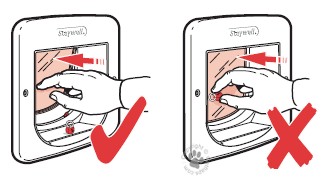 With the cat flap fully assembled, stand on the outside and hold the magnetic collar key close to the appropriate area at the bottom of the cat flap tunnel.
You should hear the locking mechanism click as the magnetic key releases it.
Keeping the magnetic key in position, gently push the flap with your hand to make sure it opens correctly.
Move the magnet away and repeat the test. This will help you understand exactly where the magnetic key needs to be positioned before you start training your cat.
Get Your Cat Comfortable with the Flap Before Adding the Magnetic Key
We recommend teaching your cat to walk through the cat flap while it is held open before relying on the magnetic locking system.
Once your cat is happily going through the opening in both directions, introduce the magnetic collar key.
This separates the training into two simple lessons:
- First: going through the cat flap is safe.
- Second: approaching the flap with the magnetic collar key releases the lock.
Trying to teach both things simultaneously can make the process unnecessarily confusing for a nervous cat.
Position the Magnetic Collar Key Correctly
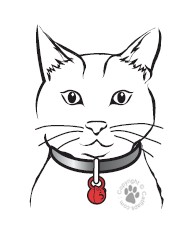 Fit the magnetic key to your cat's collar so that it hangs approximately centrally underneath the chin.
The magnet needs to approach the correct part of the cat flap closely enough to operate the locking mechanism.
If your cat approaches the flap but it doesn't unlock reliably, check the position of the magnetic key before assuming there is a problem with the cat flap.
Use a Treat to Encourage the Correct Approach
If your cat is reluctant to move close enough for the magnetic lock to operate, use a favourite treat to encourage them towards the entrance.
The objective is to get your cat's head — and therefore the magnetic key hanging underneath it — close enough to activate the mechanism.
When the lock releases, encourage your cat through and reward them.
Repeat the exercise until approaching the flap and waiting for the locking mechanism becomes completely normal.
Why Does My Cat Flap Click?
Electronic, microchip and magnetic cat flaps can make a small clicking sound when their locking mechanism releases.
Some cats completely ignore this. Others may initially stop when they hear it.
If your cat is nervous about the sound, don't force them forward. Use treats and repeated short training sessions so they gradually associate the click with the flap opening rather than something threatening.
What If My Cat Still Won't Use the Cat Flap?
If your cat refuses to use the flap, go back a stage rather than trying harder to push them through.
Check the basics:
- Is the flap positioned at a comfortable height?
- Does it move freely?
- Is the lock definitely releasing?
- Is the cat frightened by the movement of the flap?
- Is the locking mechanism making a noise that concerns them?
- Is the flap securely installed?
- Can your cat comfortably fit through the opening?
- Is a magnetic collar key positioned correctly?
Sometimes the problem isn't training at all. A badly positioned flap, stiff mechanism or incorrectly positioned collar key can make a cat understandably reluctant to use it.
Training a Cat to Use a Microchip Cat Flap
The same basic training method can also be used with a microchip cat flap.
First allow your cat to become comfortable walking through the opening. Then introduce the electronic locking function.
Make sure your cat's microchip has been correctly programmed into the cat flap before starting.
As your cat approaches, the reader detects the registered microchip and releases the entrance lock. Depending on the model, you may hear the locking mechanism operate.
If your cat stops when they hear the mechanism, use the same gradual training process and reward successful attempts.
Cleaning Your Cat Flap
A cat flap requires very little maintenance, but keeping it clean helps ensure smooth operation.
Wipe the frame and flap occasionally with a soft damp cloth to remove mud, paw marks, hair and dirt.
Pay particular attention to the edges of the flap, brush seals, magnetic catches and locking area. A build-up of dirt or pet hair around moving components can eventually interfere with smooth operation.
For electronic and microchip models, follow the manufacturer's cleaning instructions and avoid allowing excessive water or cleaning products into electronic components.
Frequently Asked Questions
Will my cat automatically know how to use a cat flap?
Some cats seem to understand immediately, but others need to be shown gradually. Holding the flap open initially is often the easiest way to introduce it.
Should I push my cat through the cat flap?
No. Forcing a nervous cat through can frighten them and make them reluctant to approach the cat flap again.
How do I encourage my cat through a cat flap?
Start with the flap held securely open and use food, treats and praise to encourage your cat to walk through voluntarily.
Why is my cat scared of the cat flap?
Your cat may be uncertain about the moving flap, resistance when pushing it or the clicking sound made by a locking mechanism. Introduce each element gradually rather than expecting your cat to understand everything immediately.
How do I train a cat to use a magnetic cat flap?
First train your cat to walk through with the flap held open. Once confident, fit the magnetic key correctly to the collar and use treats to encourage your cat close enough for the key to release the lock.
Can I use this method with a microchip cat flap?
Yes. The same gradual training method works well with microchip cat flaps. Make sure the cat's microchip is programmed correctly and allow the cat time to become accustomed to the sound of the electronic lock.
Take Your Time
Most cats will eventually learn to use a cat flap perfectly well. The secret is to make the process gradual and positive.
Hold the flap open, let your cat investigate, use treats as encouragement and introduce the moving or locking mechanism only when your cat is ready.
A few minutes of patient training can give your cat years of independent access to the home.
